

The Science of Learning : How the Brain Learns Best
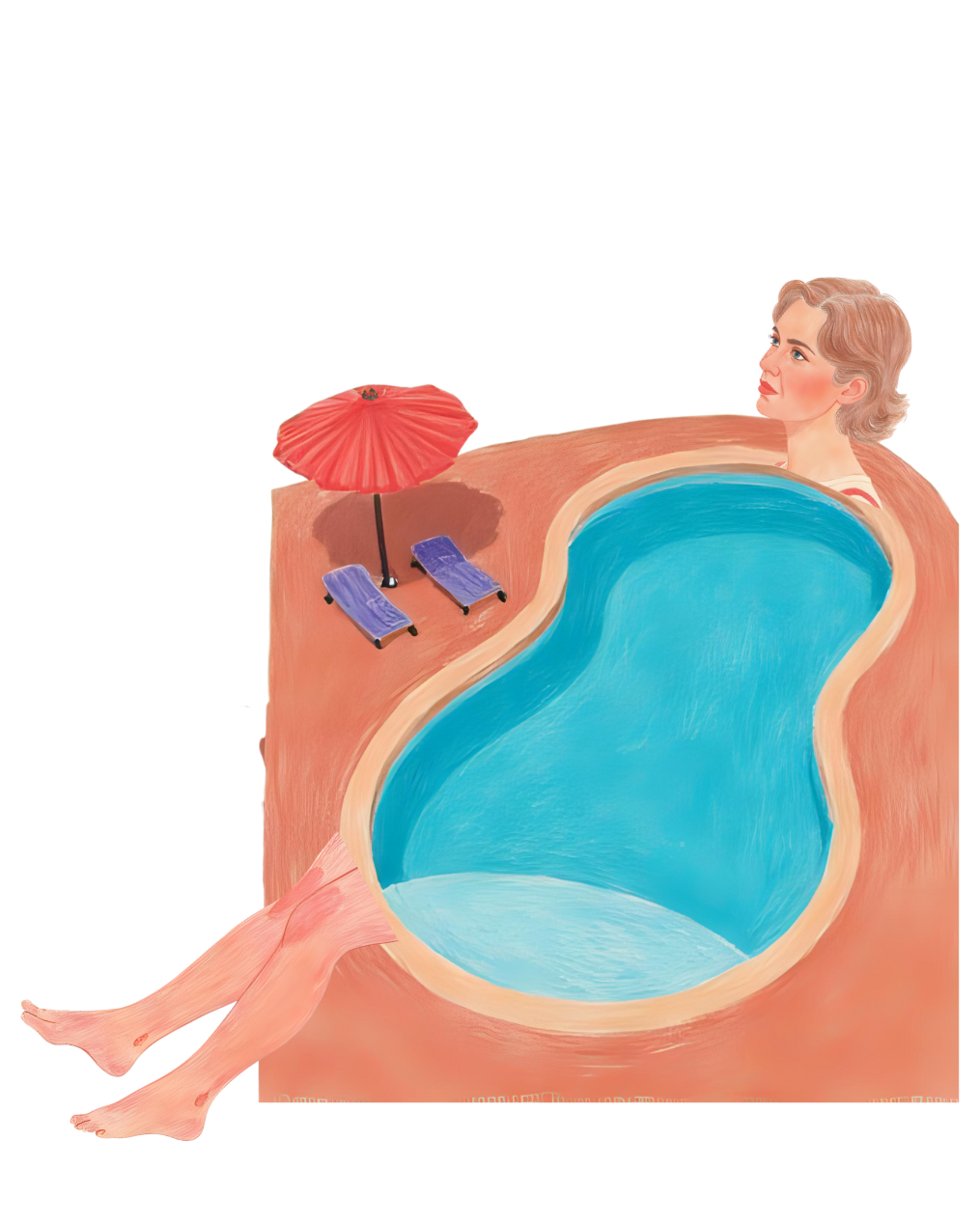
“Pool problem”
Sometimes it’s not that children have “short attention spans” — it’s that we’re asking their brains to work against their wiring.
Recent research in neurodidactics, a field where neuroscience meets teaching, shows that children learn best in waves of focus and rest. Instead of long, unbroken study sessions, the brain thrives on short bursts of deep attention — about 12 to 15 minutes — followed by a few minutes of creative drift. That’s when new connections solidify.
Think of it as a rhythm: absorb → wander → apply
During focus time, the brain gathers information. During the “wander” phase — doodling, daydreaming, or telling a quick story — the brain quietly files, organizes, and weaves that new information into memory pathways.
Why does this matter for parents and homework tables everywhere? Because what looks like distraction might actually be part of learning. When kids get space to switch between effort and imagination, they retain more, feel calmer, and build better focus over time.
Try this at home
Start a “story sprint.” Set a timer for 12 minutes of focused reading, drawing, or homework. Then give a 5‑minute break to doodle, pace, or wonder aloud (“What would this maths problem look like as a story?”).
Those small cycles match the brain’s natural tempo,helping learning feel lighter, smoother, and more sustainable. It’s not about more hours. It’s about better timing.
Resources
https://www.frontiersin.org/journals/education/articles/10.3389/feduc.2025.1584490/fullhttps://www.tandfonline.com/doi/full/10.1080/10901027.2025.2489947?af=Rhttps://science-teaching.org/research/promote-cognitive-development-young-children